
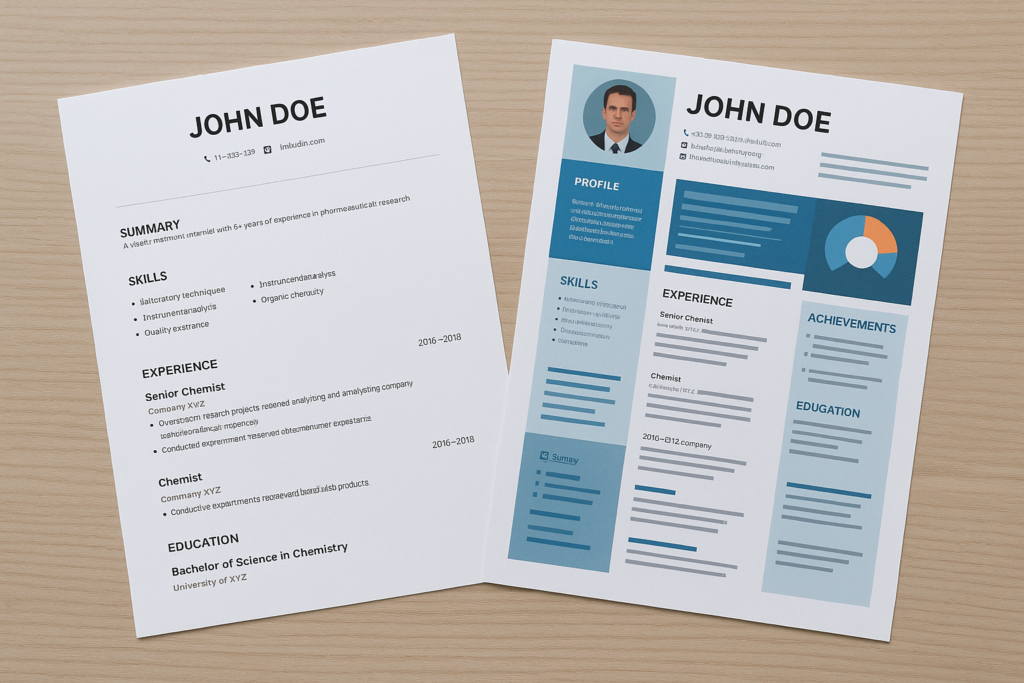
Your CV is the gateway to an interview, so it is worth spending time and effort on.
Writing your CV is often a daunting task that many of us put off doing so when we tackle it, it is done in a hurry. Keep your CV simple and to the point. CV’s need to be written in the ‘third person’ i.e., never use the word ‘I’. Your CV should be neat and clear enough for a recruiter to scan and understand it quickly.
Below are pointers to follow when putting together a CV:
Personal Details:
Make sure you remember to include your name, contact address (if you do not want to give your full address a
postcode is sufficient, this will ensure your CV is found by recruiters who usually do a search by postcode), contact telephone numbers and email address. Make sure these are clearly marked at the top of your CV.
Profile:
Include a personal statement as it is a good opportunity to tell an employer about your suitability for the job. Keep it short and be sure to demonstrate your ability, skills and knowledge for the role. You may want to include a link to your LinkedIn profile. Make sure your LinkedIn profile matches what you have in your CV.
Work Experience:
Include your job title, the company’s name and the dates employed. You may want to write a summary of the type of industry the company is i.e., distributor. Include your roles and responsibilities as well as your achievements for each role. Remember to list your most recent role first.
Education:
List formal qualifications and any training and development undertaken, either independently or during previous
periods of employment. Remember to include the dates and the institution studied at, and grade achieved if
applicable.
Languages:
Include any additional languages you speak besides English and how fluent you are in them.
Professional Memberships:
If you are a member of a professional society list these.
IT Skills:
It is always a good idea to advise how IT literate you are and list the programs/software you are competent in using.
Hobbies and Interests:
This is not essential, but hobbies and interests offer a window to your personality. All good CV’s have one thing in common, they make the employer want to meet the applicant in person. How do they do that? For one thing,
good CV’s often include a hobby section that sends a strong message to a potential employer, confirming that the applicant is the right type of person for the job.
Further Information:
Any extra information, such as reasons for a career change or reasons for gaps in career history should be added as required.
How To Present Your CV
- Remember, your CV reflects yourself, so it’s important that its well laid out and looks professional.
- Keep it short enough to read quickly but do not omit valuable information in order to keep it under 2 pages. As
careers span decades, you do not want to sell yourself short, and a lengthier CV would not be detrimental to
your application. - Using bullet points on your CV can help you write shorter, more concise, and focused sentences that will grab
the reader’s attention. A concise CV is one that gets straight to the point; you don’t want the person reading
your CV to lose interest. - Choose a clear, professional font to ensure that your CV can be easily read. We use Calibri 10.
- Avoid typing mistakes at all costs. A simple spell check is not enough: ask someone else to proofread your
finished CV. Avoid colours and pictures. - Order your experience and education into reverse chronological order to highlight your most recent experience
and achievements first. - Once you’re happy with the format, make sure you’re happy with the content, highlighting that you’re the right
match for the job by outlining:
➢ Specific skills you have to offer the employer
➢ Experience you have in the specific field
➢ Appropriate personal qualities for the role
➢ An understanding of the job requirement